
Naipaul in Reverse
(Also: Smoking is bad for you)

We have begun reading V.S. Naipaul’s The Enigma of Arrival with #APSTogether and you can join too, for free, by subscribing to the APS Substack. Once you have done that, you will receive by email my brief notes on the 10-12 pages that we are reading daily. The Enigma of Arrival is an immigrant writer’s attempt at producing a detailed physical and emotional map of the foreign place where he has arrived; in some ways, Naipaul is writing himself into the land, taking possession of it.
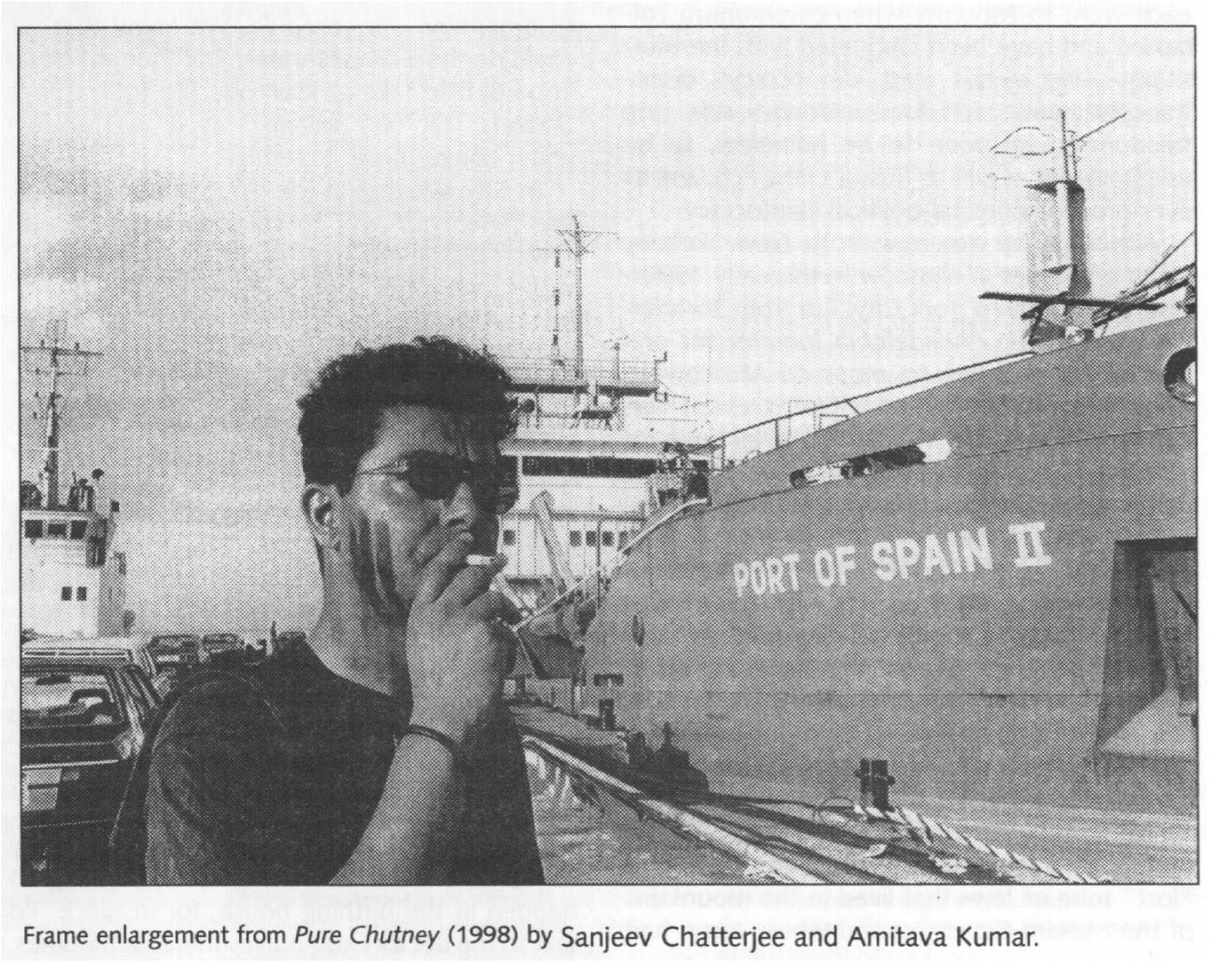
Long before I had read Enigma, I had read Naipaul’s other books, not only his early fiction, but also his books on India. In the late nineteen nineties, I had gone to Trinidad with a desire to travel in the opposite direction from Naipaul. During his repeated trips to India, Naipaul was often searching for his roots; reversing his direction of travel, I was exploring routes, the different journeys in history that had taken Indians to other places in the world. My companion during those travels was my filmmaker friend, Sanjeev Chatterjee. The 42-minute documentary film we made together was “Pure Chutney.” We later made a film in South Africa and that was titled “Dirty Laundry.” Here is a description that I could find about “Pure Chutney” on the IMDB website:
(I sometimes get mail from folks who want to know how they can get to watch the film. There is no easy way unless you have access to some university or college libraries where they might have it in their collection. I myself don’t have a copy but my college library has one. I understand that the film is available, at a steep price, from Cinema Guild.)
Now that I’m reading The Enigma of Arrival, I’m beginning to also see that as the narrator in “Pure Chutney,” I wasn’t simply describing what I saw or felt in Trinidad; instead, what I was also presenting was my own sense of what it meant to be a member of the diaspora, how it was wrong for ultranationalists to insist on the purity of culture, and why one ought to believe that only the impure will endure. (We were only a few years removed from the demolition of the Babri Masjid in Ayodhya. People in places like America had donated gold bricks for the temple to be built on the disputed site.)
Here is a poem of mine from which I remember borrowing a few lines for the film:
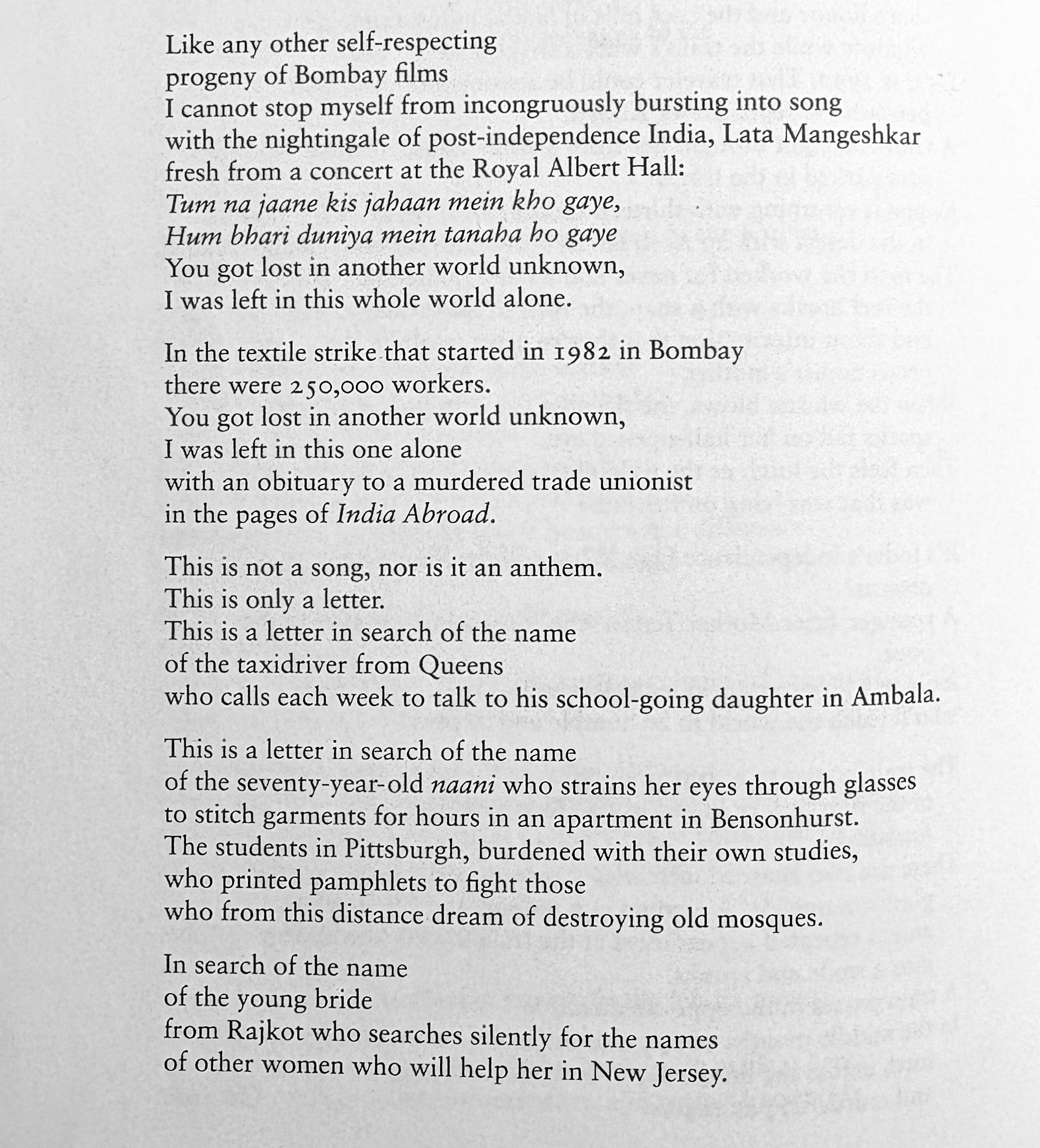
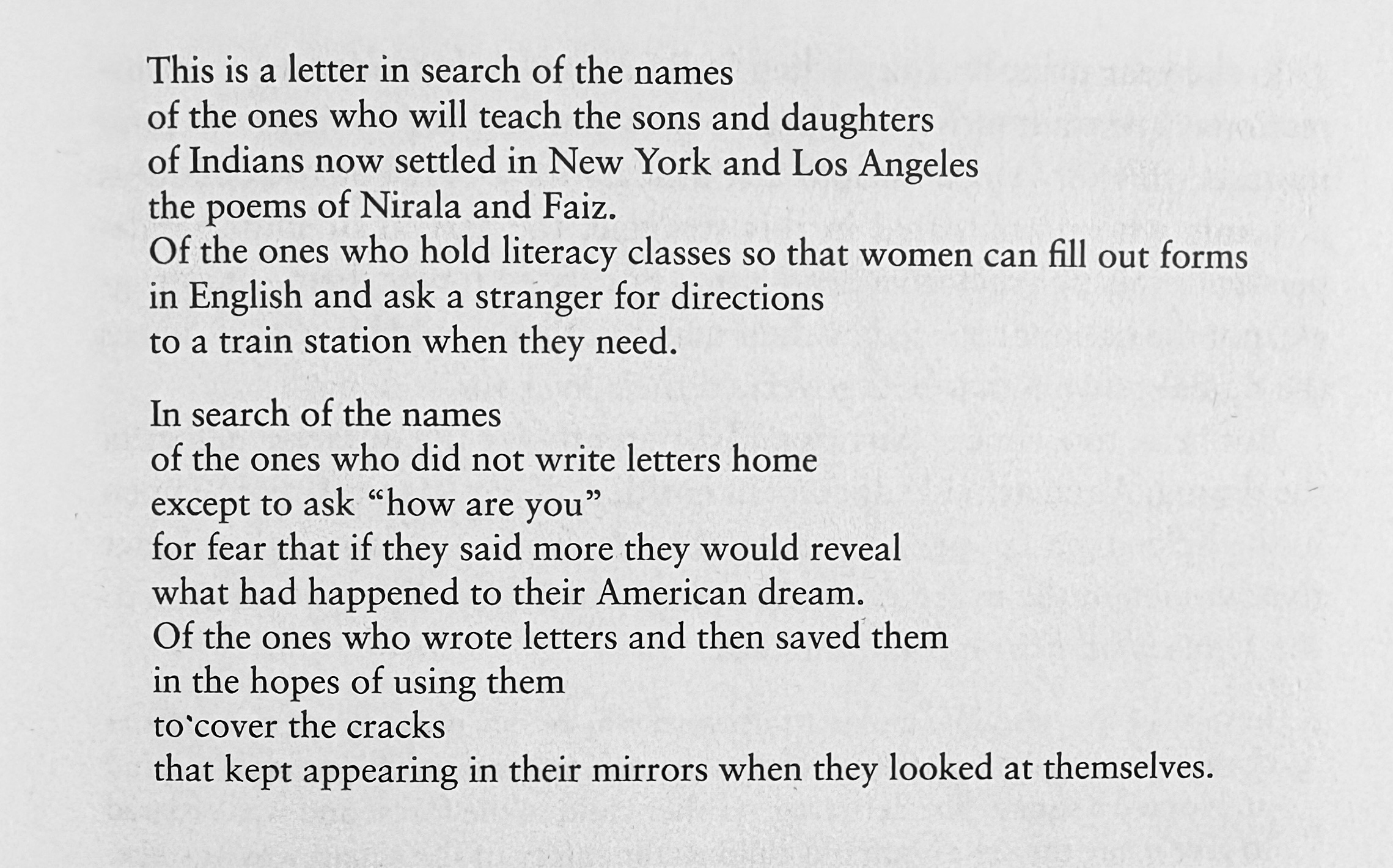
Photo on top is from here.
Main fikr ko dhuyein me udata chala gaya...
This is a letter in search of the departed father who looked out the window with his child at the night sky and made her believe in infinity; that time is not linear, and what often feels lost and distant, comes together, somewhere - once again