
Read Naipaul With Me
#APS Together to read The Enigma of Arrival

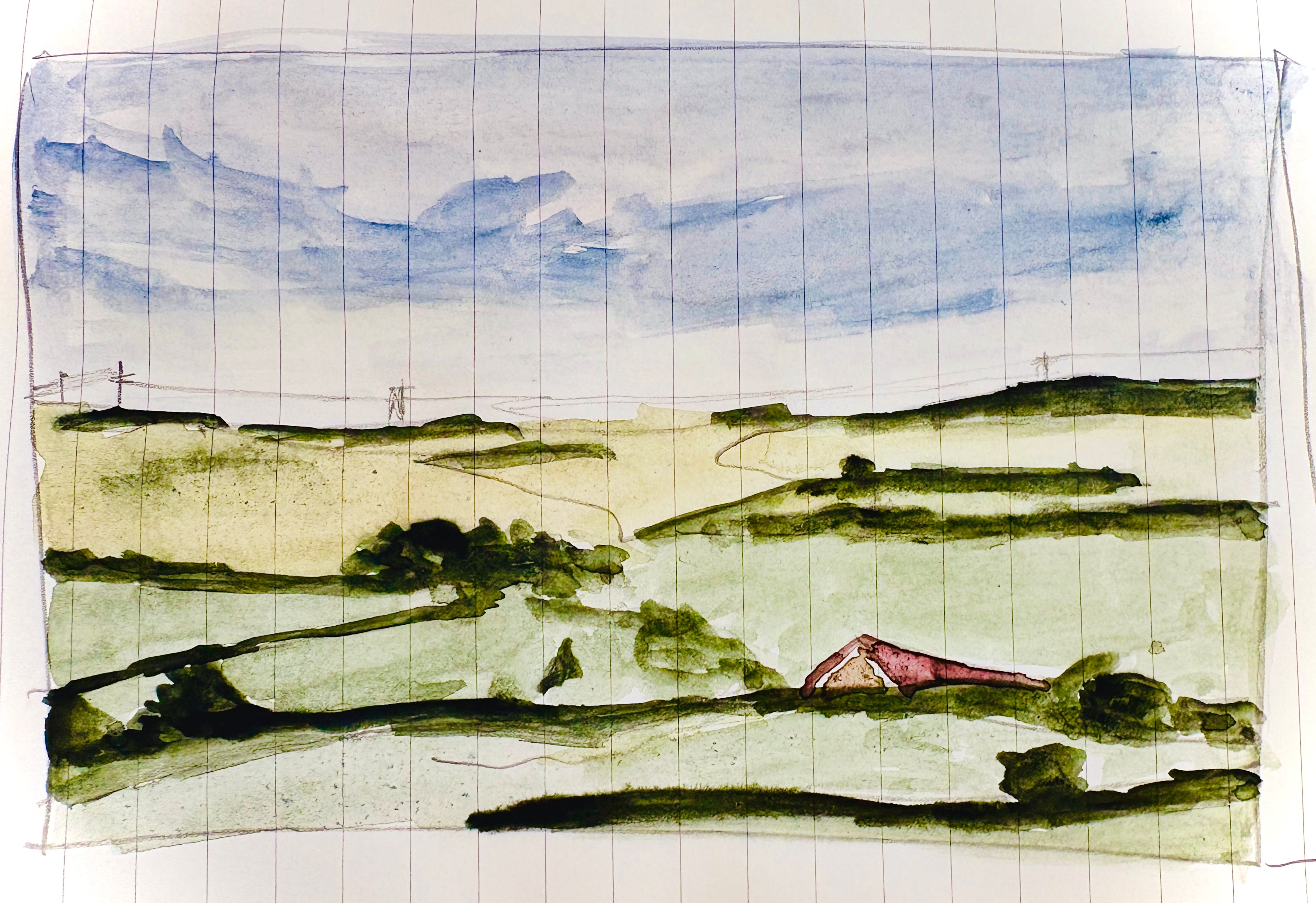
I made a quick watercolor of a scene from rural Wiltshire from a BBC documentary on VSN
This entire post is drawn from another Substack post from that wonderful literary organization A Public Space. It is a post about an experience reading together V.S. Naipaul’s The Enigma of Arrival. It is free and likely to be fun. Read more below.
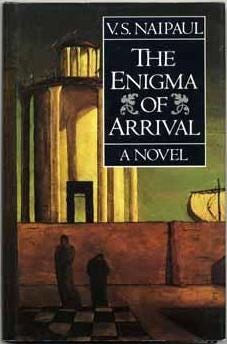
The Enigma of Arrival by V. S. Naipaul was published in March 1987. In its citation for the Nobel Prize for Literature, which he was awarded in 2001, the Swedish Academy called the book a “masterpiece” in which “Naipaul visits the reality of England like an anthropologist studying some hitherto unexplored native tribe deep in the jungle.”
Join us starting Monday, March 23 to read The Enigma of Arrival, together with A Public Space friend Amitava Kumar.
A Note on APS Together
APS Together is a communal-reading series from A Public Space. Join us to read together—daily, imaginatively, miscellaneously. Each session is hosted by a friend of A Public Space, who selects and introduces a book to read together; and shares notes every morning, with fellow readers joining in. At the end of each book, we gather (usually online) for a finale conversation with our APS Together host and A Public Space editor Brigid Hughes.
A Note From Amitava Kumar
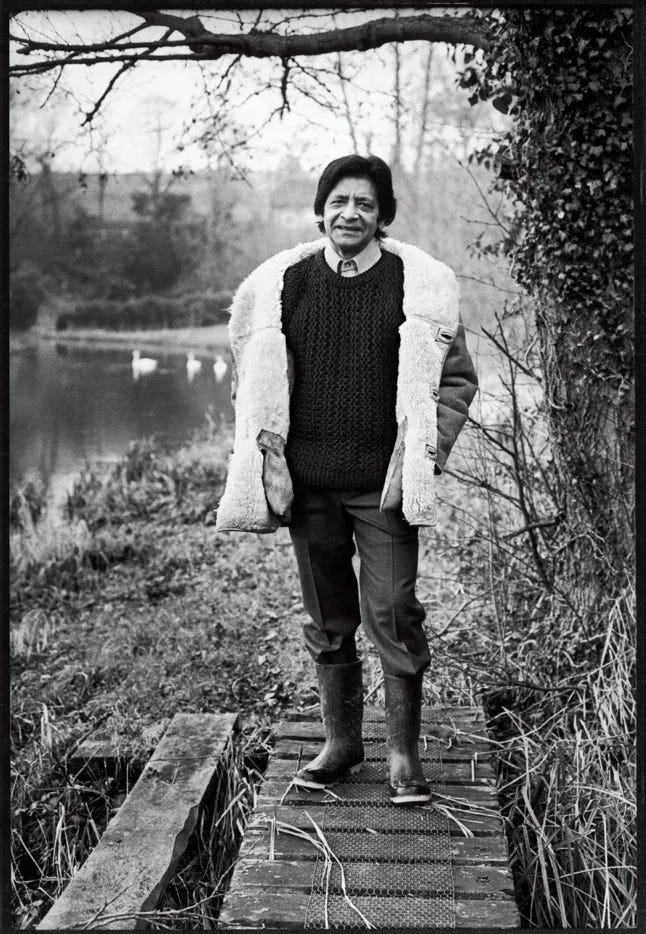
The Enigma of Arrival by V.S. Naipaul was published in March 1987. In its citation for the Nobel Prize for Literature, which he was awarded in 2001, the Swedish Academy called the book a “masterpiece” in which “Naipaul visits the reality of England like an anthropologist studying some hitherto unexplored native tribe deep in the jungle.” That was interesting, this reversal of the gaze by a postcolonial writer, but The Enigma of Arrival has fascinated me more for what the Academy had to say about Naipaul’s “inimitable voice,” disregarding genres and fashioning “a style of his own, in which the customary distinctions between fiction and non-fiction are of subordinate importance.” How to understand the book’s originality? More than one writer has talked about their response to a book that is boring and yet mesmerizing: How is the writer able to do this? I want to know. Maybe we can discuss the book’s beguiling rhythm: Is it that of nature itself, and the pace attuned to the time it takes for the narrator to heal. And all the detailed descriptions of the new landscape—is it because, as Salman Rushdie put it, “the immigrant must invent the earth beneath his feet”?
Reading Schedule
Day 1: (March 23) pp. 5-14 Jack’s Garden
Day 2: (March 24) pp.15-25 Jack’s Garden
Day 3: (March 25) pp. 25-32 Jack’s Garden
Day 4: (March 26) pp. 32-43 Jack’s Garden
Day 5: (March 27) pp. 43-60 Jack’s Garden
Day 6: (March 28) pp. 60-70 Jack’s Garden
Day 7: (March 29) pp. 70-81 Jack’s Garden
Day 8: (March 30) pp. 81-94 Jack’s Garden
Day 9: (March 31) pp. 97-109 The Journey
Day 10: (April 1) pp. 110-120 The Journey
Day 11: (April 2) pp. 120-132 The Journey
Day 12: (April 3) pp. 133-146 The Journey
Day 13: (April 4) pp. 146-158 The Journey
Day 14: (April 5) pp. 159-168 The Journey
Day 15: (April 6) pp. 169-179 The Journey
Day 16: (April 7) pp. 183-193 Ivy
Day 17: (April 8) pp. 193-205 Ivy
Day 18: (April 9) pp. 206-218 Ivy
Day 19: (April 10) pp. 219-229 Ivy
Day 20: (April 11) pp. 230-239 Ivy
Day 21: (April 12) pp. 239-252 Ivy
Day 22: (April 13) pp. 252-260 Ivy
Day 23: (April 14) pp. 260-274 Ivy
Day 24: (April 15) pp. 274-284 Ivy
Day 25: (April 16) pp. 287-296 Rooks
Day 26: (April 17) pp. 296-307 Rooks
Day 27: (April 18) pp. 308-318 Rooks
Day 28: (April 19) pp.318-330 Rooks
Day 29: (April 20) pp. 330-340 Rooks
Day 30: (April 21) pp. 343-354 Ceremony of Farewell
Join us on Tuesday, April 21 at 7:00 pm (ET) for a finale conversation with Amitava Kumar and A Public Space editor Brigid Hughes.
Exciting
First time on this app. Not sure how to join this reading club. The registration seems to be inky for the final discussion.