
Inside the Listening Room
Report from the Sewanee Writers' Conference

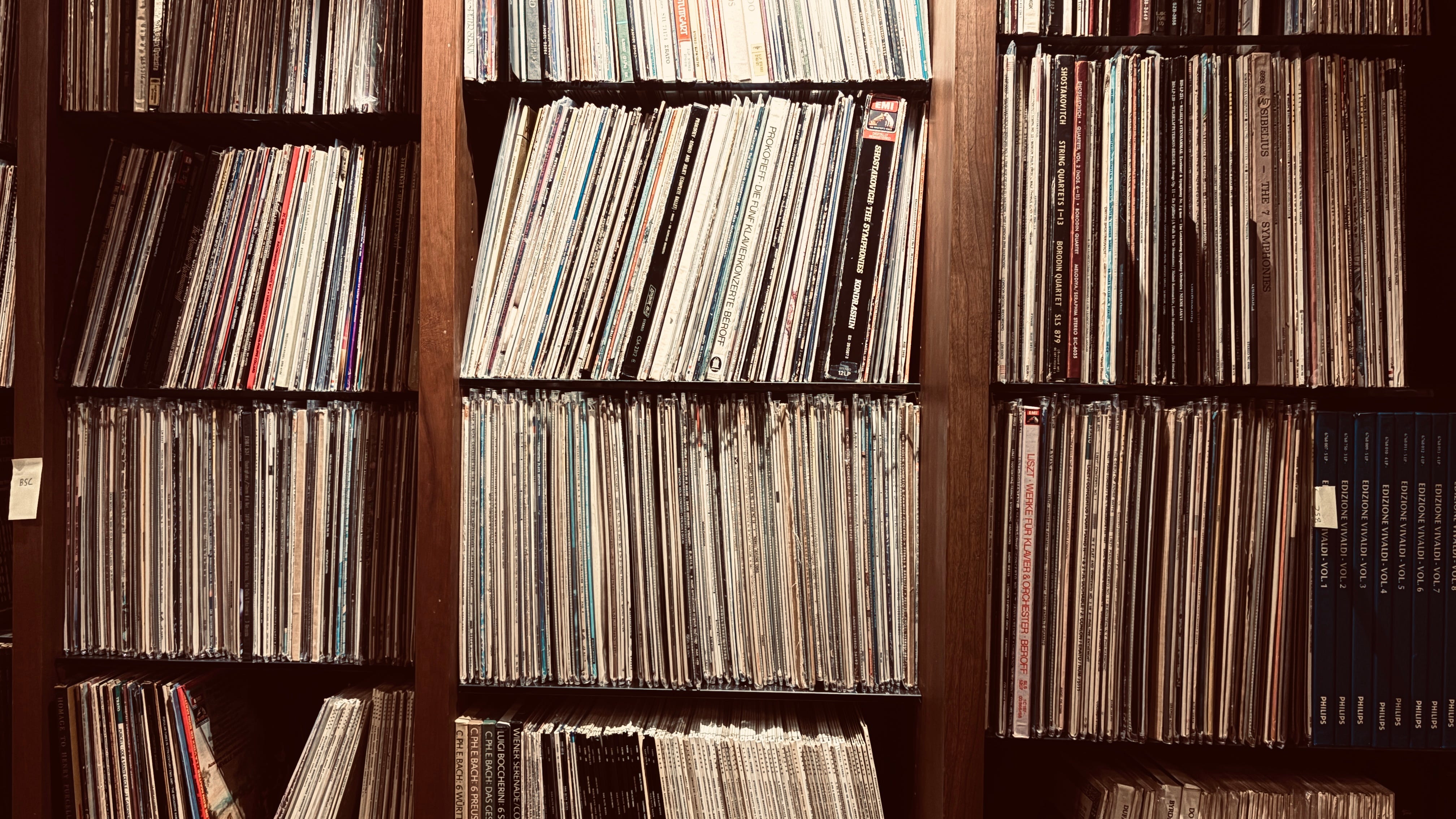
Over the past twelve days, I have been participating in the Sewanee Writers’ Conference, co-teaching a fiction-writing workshop with Claire Messud, and also doing readings, presenting or attending craft lectures, devising special topics classes, talking to fellow writers over shared meals and walks. (Regarding the latter: I was walking with the writer Margot Livesey and when describing a mutual friend she quoted a line from a Stanley Elkin story: “The peculiar dignity of men seen eating alone on national holidays.” I love writers!) Also, each night, the faculty here have been doing their public readings and this, too, has been a fantastic experience. Two days ago, I was quietly reading an Alice Munro story in the Sewanee library when Dan Tvorov from our workshop asked me if I’d like to come to the listening room. The listening room! I had heard about it—yes, I did! We found out that the listening room is an elegant sound-proof room with Wilson Audio Chronosonic XVX speakers that are worth four hundred thousand dollars a pair. With Dan and the other workshop members, we listened to a variety of music: from “Day in the Life” by Beatles to “Mustt-Mustt” by Nusrat Fateh Ali Khan, and from Prince singing “If I was your girlfriend” to the Philip Glass score for “Mishima.” Later in the afternoon, I returned by myself to the listening room so that I could enjoy Amjad Ali Khan playing Raga Durga on the sarod.
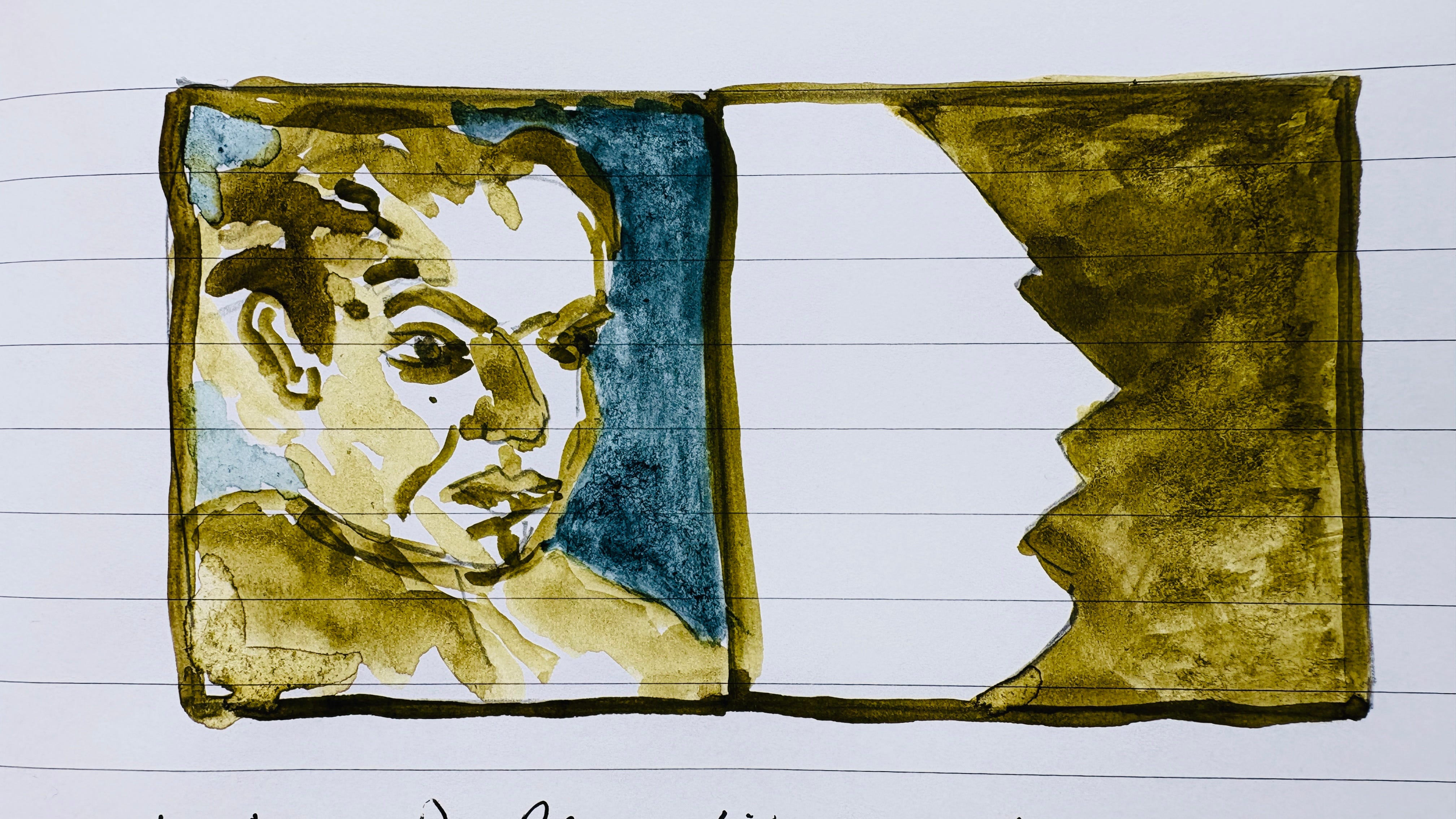
The real listening I have been doing is to the news from India. What an extraordinary movement for change led entirely by the youth! The police had been brutal in its assaults; but the youth, particularly the poor and utterly disenfranchised, like this Blinkit worker and student from Bihar, remained strong in their resolve. Now, the youth have been victorious. (No thanks to the mealy-mouthed celebrities—oh, how much I hate the actor Anupam Kher whom the wonderful Naseeruddin Shah has called a clown and said that sycophancy in his blood and that he can’t help it.)
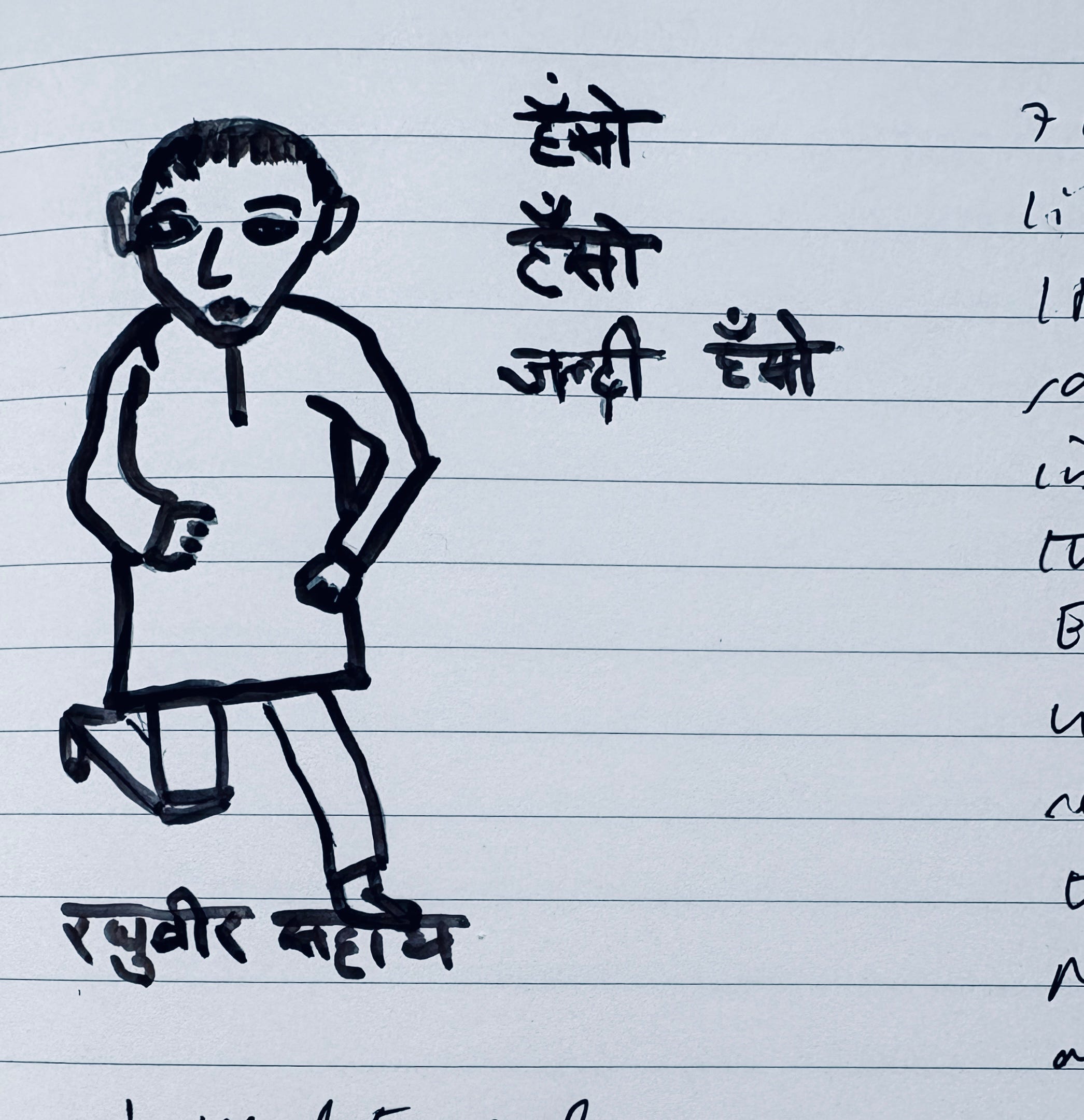
Even on the day that I was in the listening room, in the aftermath of the police firing tear-gas on the students and beating them with batons, I was thinking of a few lines of a poem by the Hindi poet Raghuvir Sahay: एक समय होगा जब ताकत-ही-ताकत होगी / चीख न होगी / खतरा होगा, खतरे की घंटी होगी / और बादशाह उसे बजायेगा (There will be a time when there will only be power / There will be no scream / There will be danger, there will be an alarm-bell for that danger / And the ruler will be ringing it.) Which is to say, I expected the evil and conniving men at the top to proclaim that the country was in such a danger that it was necessary to resort to further violence. I expected the rest of India to turn into Kashmir.
That kind of feared outcome, at least, hasn’t happened so far. The demon is never far from the door. But it can be trusted, for the moment, that the power of the people has prevailed. Democracy survives.
With the exam paper leaks, so much was lost by families, their financial investments but also their hopes—and the precious time and labor of the young. The Finance Minister cynically suggested that this loss was a good thing—the country’s youthful aspirants now knew that they had to work even harder and they had therefore done better. What self-serving rot. I want to exult in the bravery of the students and their sacrifices—of course. In the New York Times, there was a story about the “defining image of India’s Gen Z protests”—the image of a young woman blocking a police van, her outstretched hand on the hood of the vehicle that she had bought to a stop. It is a spectacular image but what I want to know is about another woman who was slapped by a senior police official named Sandeep Lamba. What happened to that young woman? And I know that the Education Minister has resigned—but what about that brute Lamba? Has a case been filed against him yet? If not, why not?
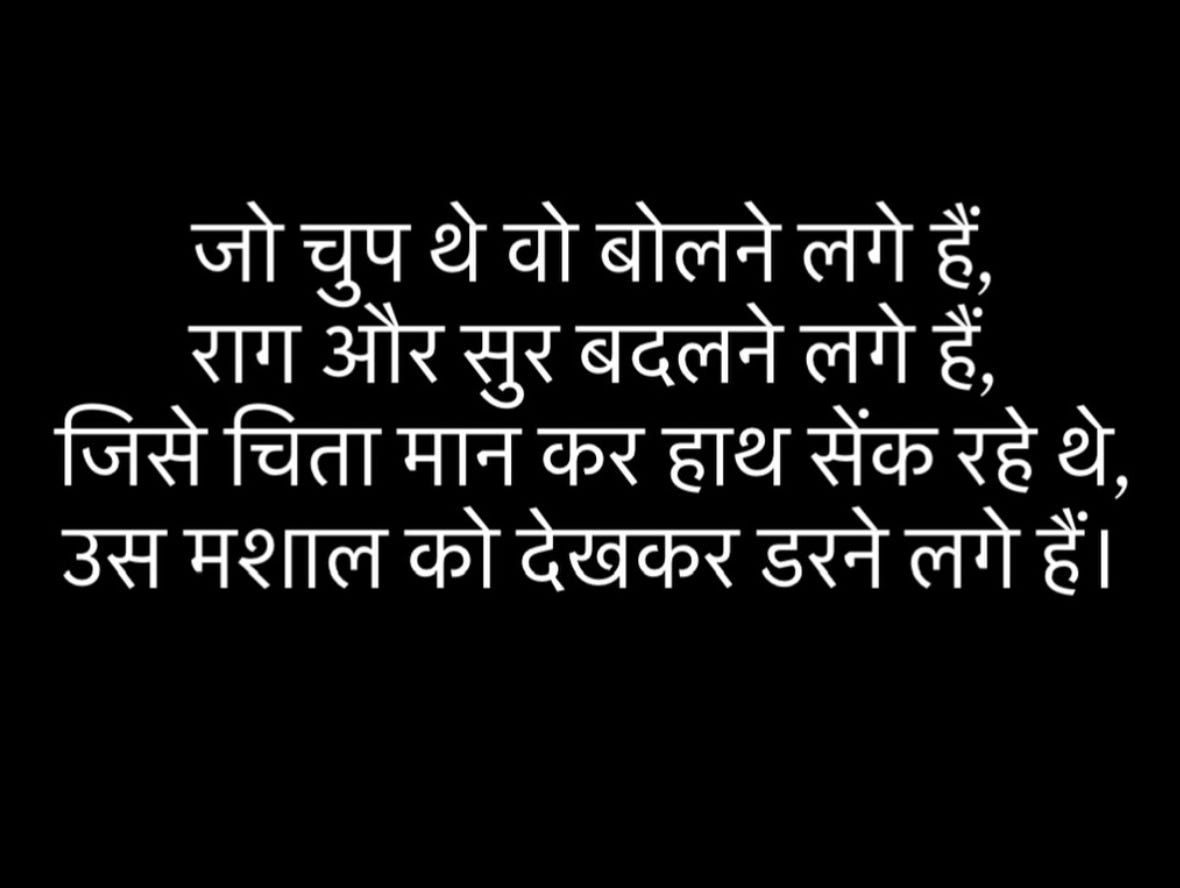
My friend Simar Puneet sent me this post below from her social media feed. (My translation: “Those who were silent are now starting to talk / Changing their tune and their song / They who had been warming their hands on what they had thought was a pyre / They now know it is really a torch—and are filled with fear.”)
Everyone who has Hindi or Urdu ought to listen to this speech by Neha Bora who, even after having been on a hunger strike for twenty-three days, is here breathing fire. (I should listen to her speech for the third or fourth time but on this fresh occasion in Sewanee’s listening room. Or maybe, on second thought, it is better to listen to it not alone but in a collective, among the masses. Here is an interview with Bora titled “Hope is a Muscle.”)
We are in this giant listening room together. We can hear the rain stop and the wind shift. Modi and Shah will not be waiting for this moment but the moment of change will come. It will mark the beginning of their doom, their end. Stay alert!
Thanks for all the links- and for underscoring the hope
I saw the news and cheered for them.